The first backyard campout
Published Aug 31, 2026 · 7 min read
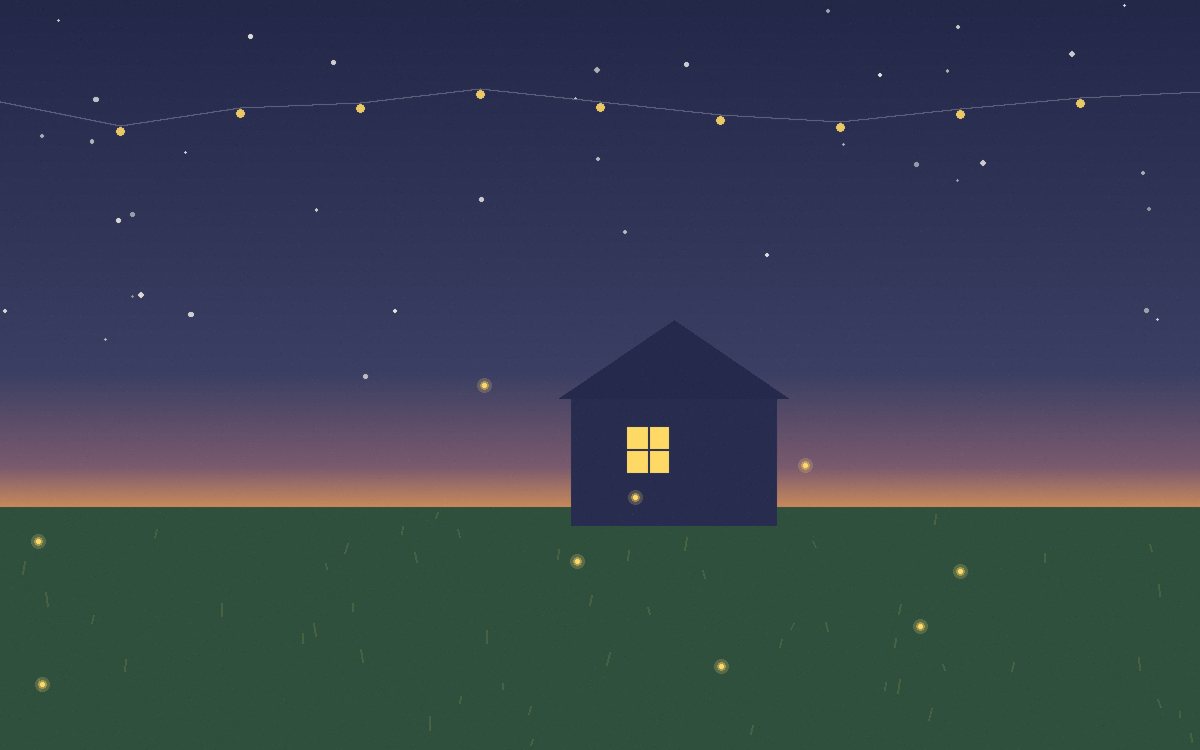
The first night in a tent decides how a child feels about tents for years — so hold it ten steps from the kitchen.
The first night a child sleeps in a tent decides how they feel about tents for years — and most first nights happen in the worst possible place for it: a strange campsite, hours from home, with tired parents, a rushed pitch and no way out at 2 a.m. except a very long drive. The backyard flips every one of those. Same tent, same stars, same thrill — plus your own bathroom, your own kitchen, and a warm bed ten steps away that, paradoxically, almost nobody ends up using.
Why the yard wins the first round
- The stakes are zero. If it rains, you go in. If someone melts down, you go in. Because going in is easy, nobody panics — and because nobody panics, going in rarely happens.
- The evening is unhurried. No drive, no check-in, no racing sunset to pitch. The tent goes up at four in the afternoon with everyone in a good mood, and the night unrolls at home speed.
- Everything is rehearsal. Zips, torches, sleeping bags, night sounds, the walk to the toilet in the dark — every campsite skill gets learned here, where mistakes cost nothing.
- It repeats. A campsite trip happens twice a summer with luck. A yard night can happen any clear Friday, which is how it becomes a family institution instead of an event.
The porch-light promise
Before the first night, make one announcement, solemnly: the back door stays unlocked, the porch light stays on, and anyone may go inside at any hour, for any reason, with full honour and zero teasing. This promise is the entire psychology of backyard camping. Children who know they can leave relax enough to stay; the night stops being a test and becomes an adventure with an exit. Grown-ups are covered by the promise too, and should say so — it makes the whole thing feel fair.
Pick the night like you'd pick a picnic day. First campout: a warm, dry evening with no wind, no school the next morning, and ideally some moon. Check the forecast at lunch and be willing to slide to tomorrow — a first night postponed is nothing; a first night spent under flapping wet nylon can cost you the whole project. Later, experienced yard campers come to love a bit of drizzle on the flysheet. Not on night one.

What the first night actually needs
A tent (borrowed is fine — night two covers pitching it), something soft to sleep on, blankets or sleeping bags from the house, one torch per person, supper on a tray, and warm layers, because grass is colder than it looks at midnight even in summer. That's the whole list. Resist the outdoor-shop trip: half the charm of a yard night is that it runs on household stuff, and the gear that's genuinely worth buying reveals itself after three or four nights.
The shape of the evening
Pitch mid-afternoon with the kids helping (night two). Supper outside as the light goes amber (night three). Torch games in the blue half-hour after sunset (night four). Lying-down sky time when full dark arrives (night five). Then into the bags, one story by torchlight, lights out — and the great listening begins (night six). The whole arc runs about five hours and needs no schedule beyond "follow the light".
Manage the one real risk: overpromising
The first night's enemy isn't weather or nerves; it's billing it as The Most Magical Night Ever. Announce it casually — "we thought we'd sleep in the tent tonight, want to?" — and let the magic ambush everyone on its own. Under-promised and over-delivered is the yard night's natural register, and it leaves room for the only review that matters, delivered at breakfast: can we do it again?
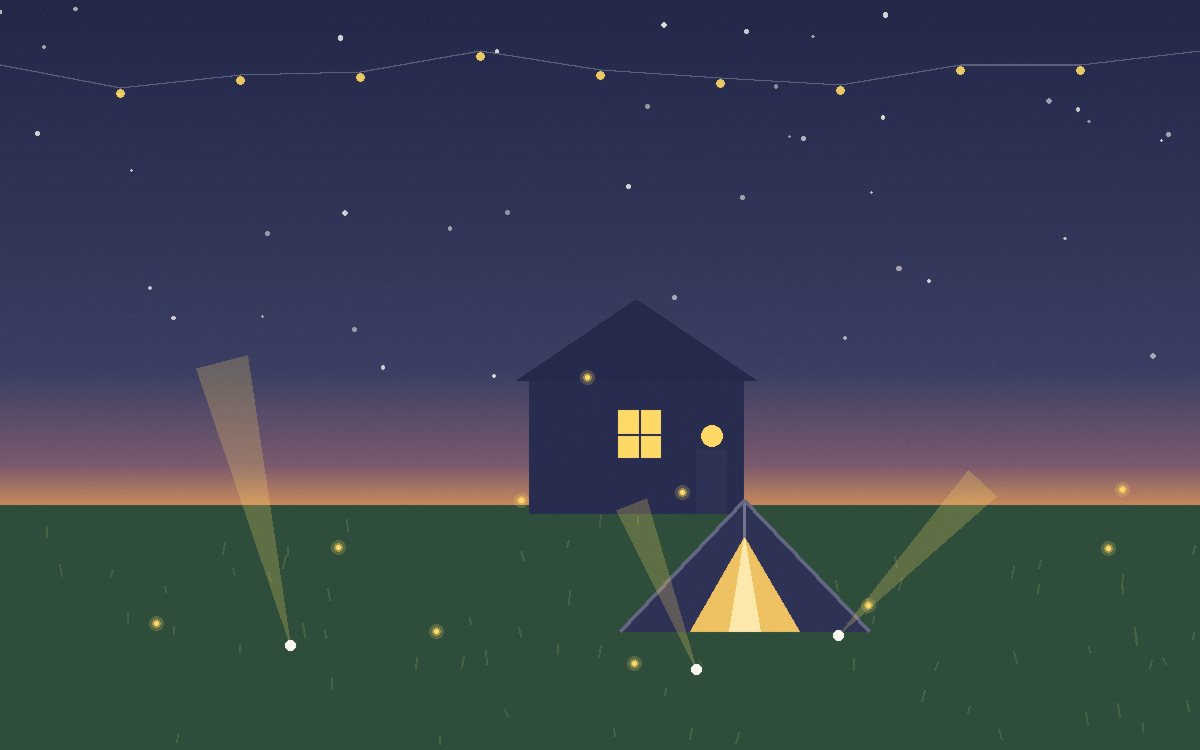
Questions from the doorstep
What ages does this work for?
Roughly three and up for sleeping out with a grown-up, though the supper-and-torches half of the evening delights toddlers too (they go inside at bedtime). Solo sibling campouts, with parents indoors, tend to start somewhere between seven and ten depending on the children — the porch-light promise does a lot of work there. You know your own crew; start with everyone out together.
We only have a tiny yard / shared courtyard.
A tent needs surprisingly little: about two by three metres of grass, deck or even paving (with extra padding underneath). Balconies host "tent nights" with a blanket fort standing in. If the space is shared, a friendly word to the neighbours turns them from a worry into an audience — ours started leaving their porch light on in solidarity.
What if it all goes wrong at midnight?
Then everyone walks ten steps and sleeps in their beds, and the evening still counted: supper outside, games, stars, and a tent that's still standing tomorrow for a second try. There is no failed yard night — that's the format's deepest feature. Retreat cheerfully, try again within the week.
Decision made — now the tent goes up, together: pitching the tent together.